Monitor, analyze and improve - machine monitoring
Advanced machine monitoring software
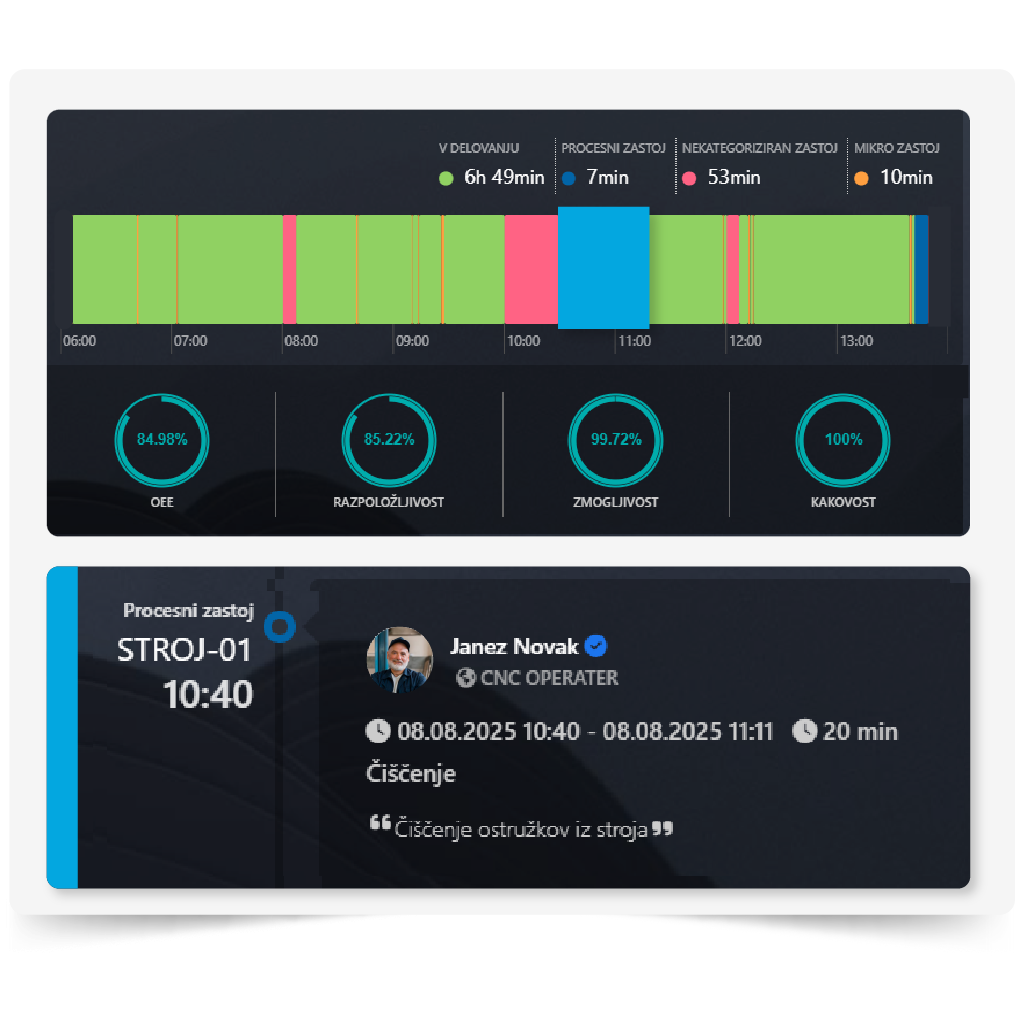
ccLEAP actively monitors machines and key production performance indicators, giving you complete insight into the real efficiency of your manufacturing processes.
Why monitor OEE indicators?
19 %
Average increase in production productivity
Implementing OEE functionality in the manufacturing environment contributes to an approximate19% productivity boost.
14 %
Reduction in unplanned downtime
(2023 - 2024)
European users reported, on average, 14% fewer unplanned stoppages.
1.900
Increasing productivity
1.900+ OEE systems were implemented across Europe in 2024, representing around 28% of the global share.
OEE - key performance indicators
What is OEE
and why is it critical for modern manufacturing?
To put performance into context, OEE (Overall Equipment Effectiveness) is a straightforward metric that shows how effectively a production machine or line operates. It combines actual working time, operating speed versus potential speed, and the share of defect-free output. As a result, the higher the OEE score, the more efficient the production.
Enhance efficiency with OEE
OEE - indicator for production optimization
Building on this, ccLEAP’s OEE machine monitoring software provides a comprehensive view of production efficiency. By using controllers and sensors connected directly to machines, you can quickly detect losses, bottlenecks, and opportunities for improvement.
Production overview
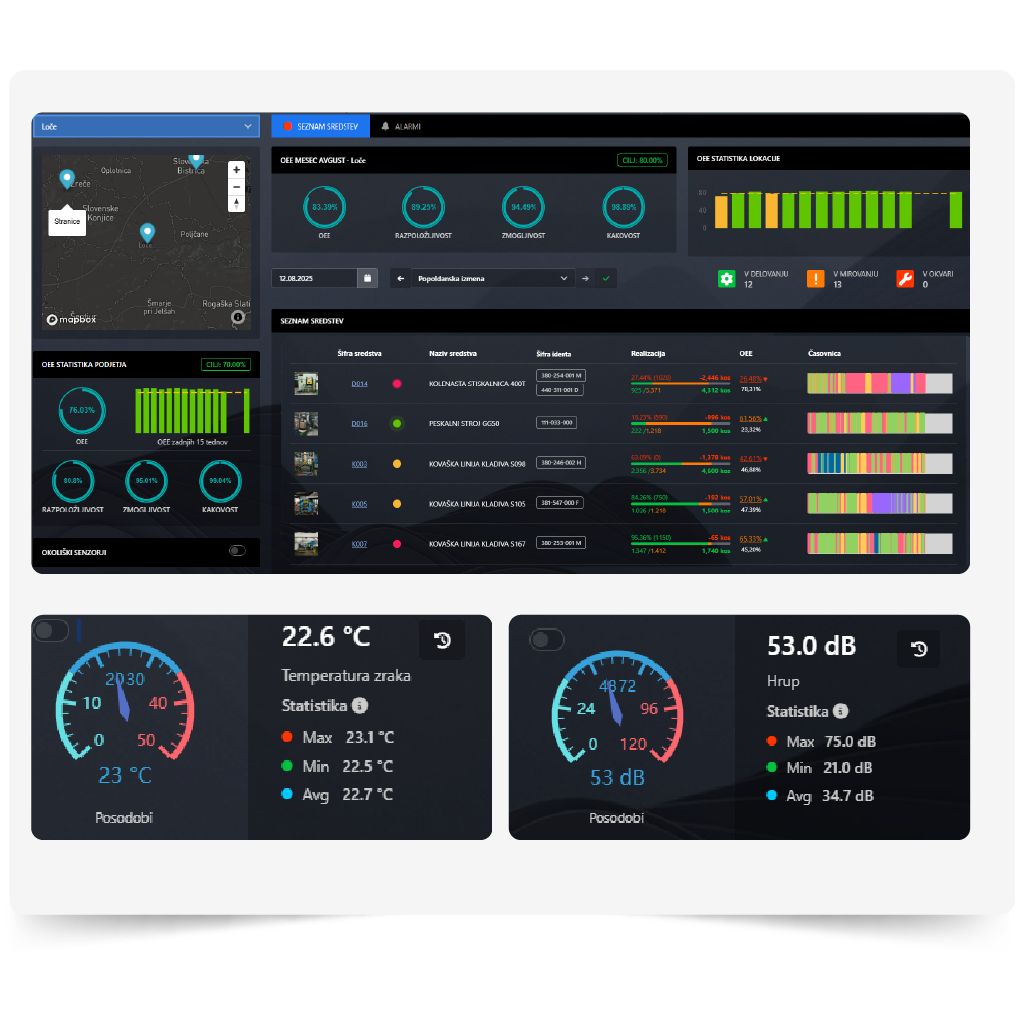
Real-Time
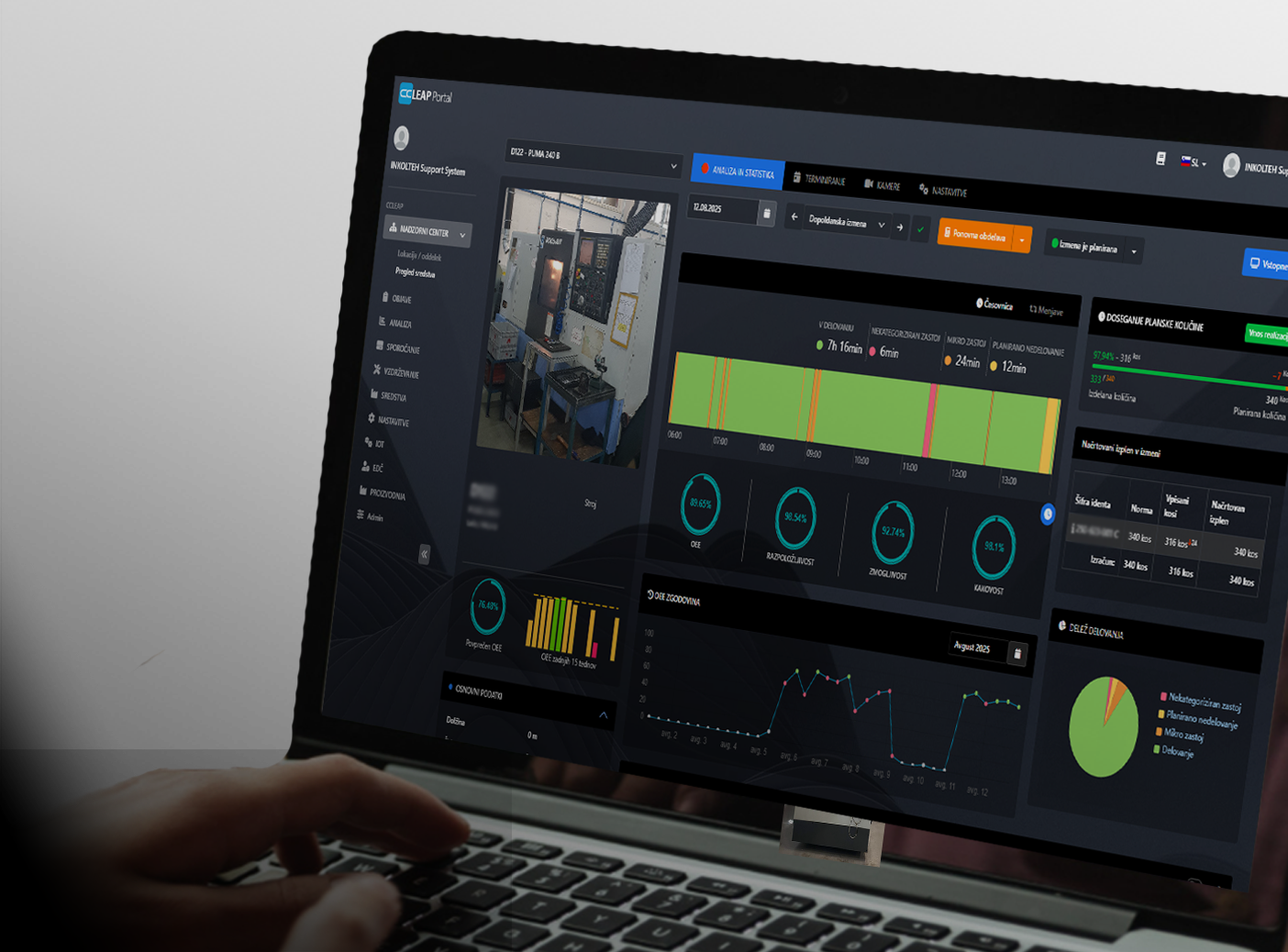
machine monitoring dashboard
With real-time data available anytime, anywhere, staff can quickly spot deviations and respond immediately—improving responsiveness and streamlining production processes.
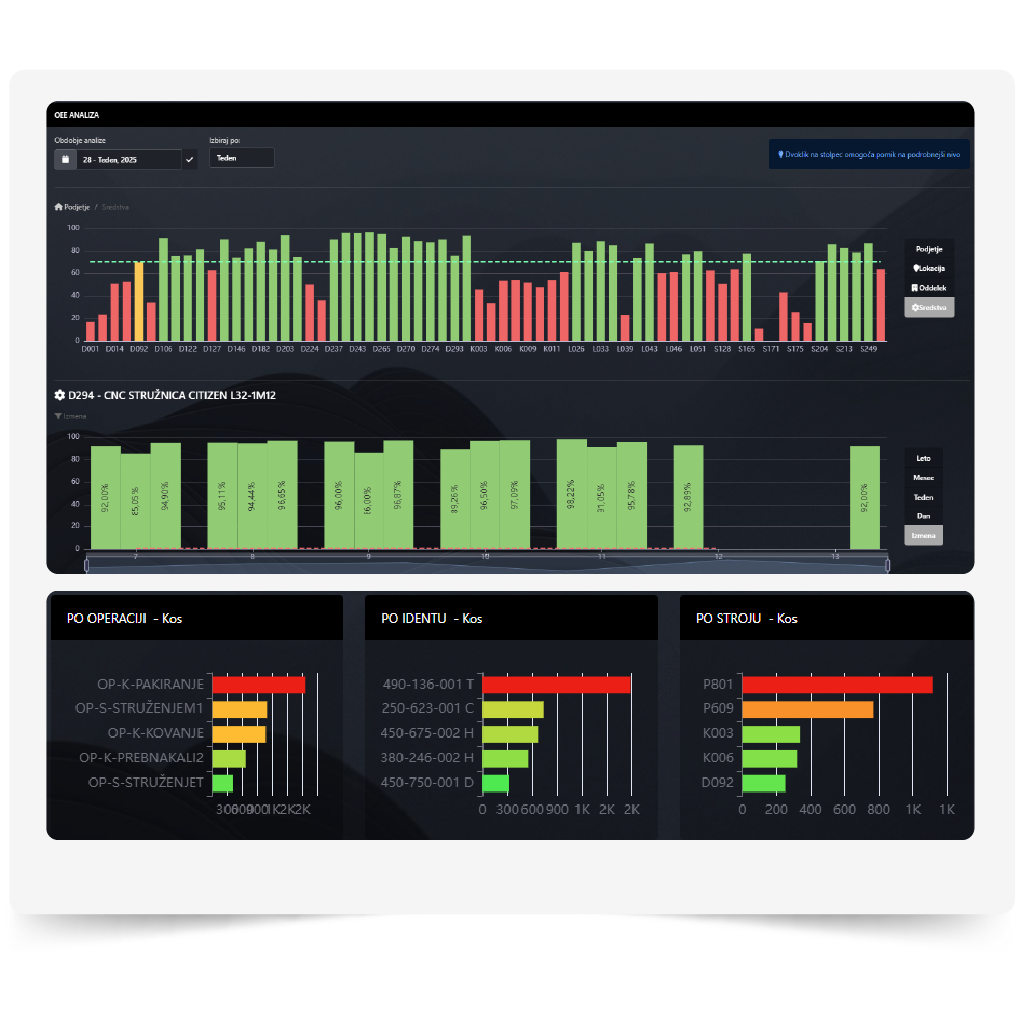
In-depth analysis of OEE indicators
Identify losses, optimize processes
With ccLEAP’s analytical tools, you can track OEE trends and compare performance over time—helping you identify improvement opportunities and continuously boost manufacturing efficiency.
Full automation
Automated capture of
OEE indicators
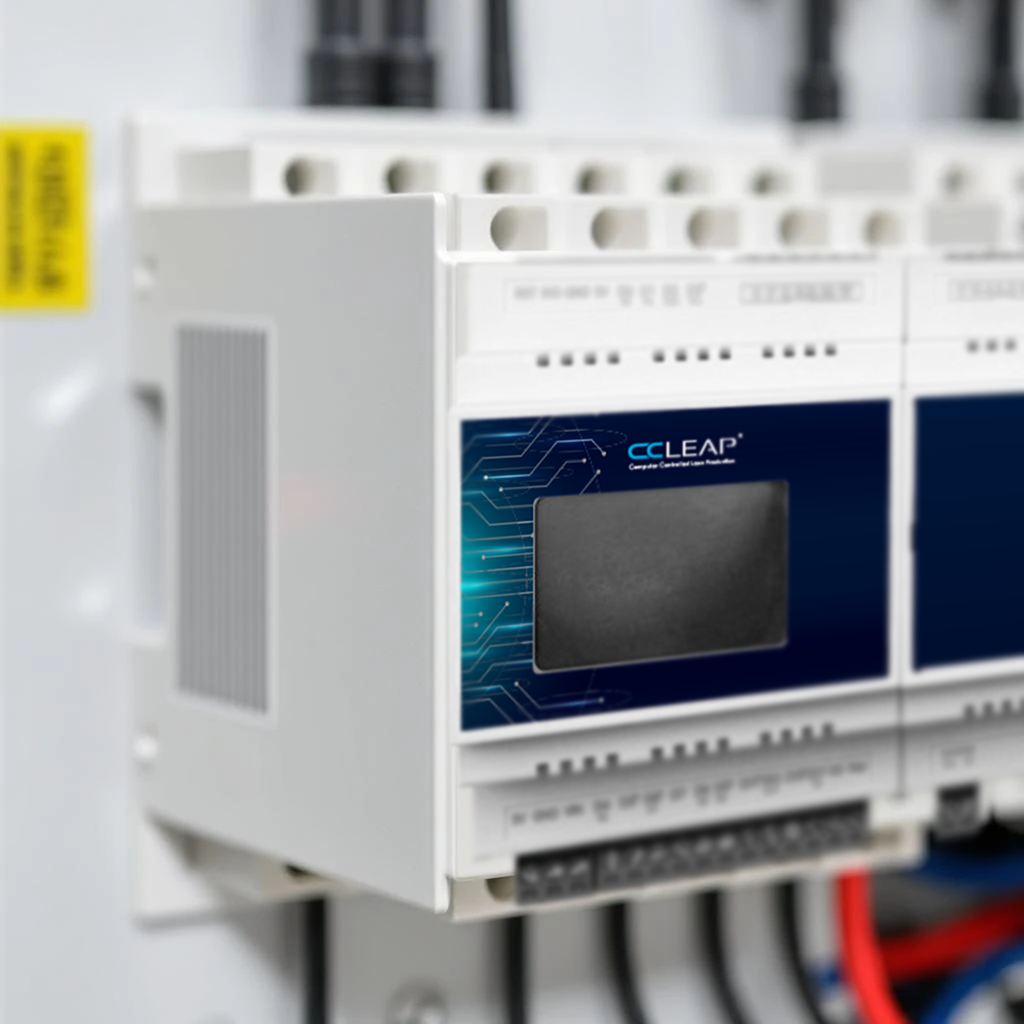
To ensure accurate insights, the ccLEAP system uses reliable industrial hardware and supports a wide range of standards and protocols. As a result, it captures data directly from machines and delivers immediate access to information needed for informed decisions and optimized production.
Integration Process – From Decision to Deployment
Steps to successful integration into the production environment
A concise overview of the key steps for successfully integrating ccLEAP Machine Monitoring into your production environment:
1. Machine connection
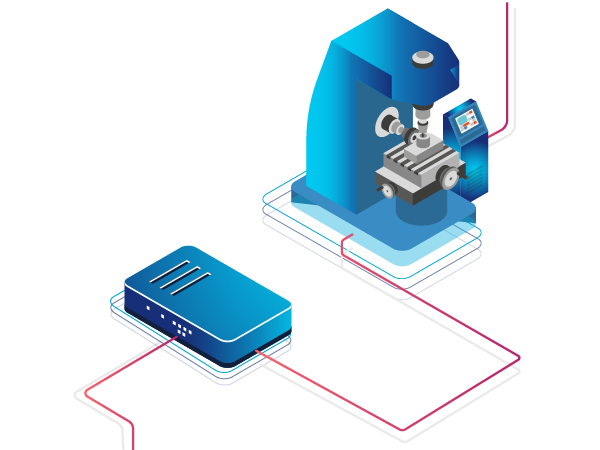
To simplify deployment, you can quickly integrate all machines with the ccLEAP system. Modern equipment connects directly, while older machines can be enhanced with custom sensors to enable real-time parameter monitoring.
2. Data capture and collection
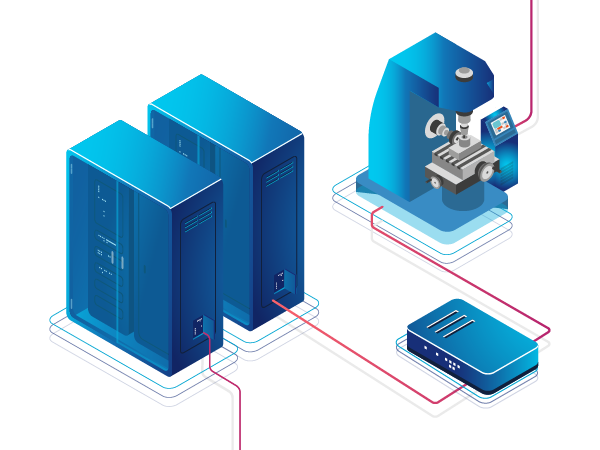
Once integrated, the system continuously captures and collects data and, in turn, provides a comprehensive real-time view of machine efficiency, condition, and utilization.
3. Data analysis and visualization
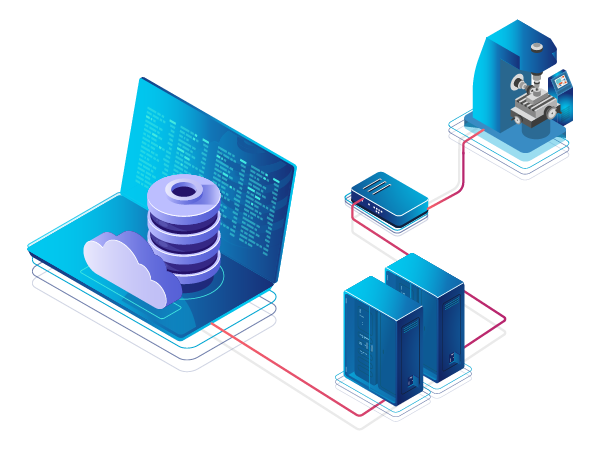
By analyzing and displaying this data, the system supports better decision-making, reduces unplanned downtime, and boosts overall production efficiency—ultimately laying the foundation for the smart factory of tomorrow.
They trust us:
Frequently Asked Questions
-
Does my machine support data capture?
Most modern machines support connectivity via standards such as OPC UA, Modbus, Ethernet/IP, or include built-in PLCs with digital outputs. Older machines can be retrofitted with additional controllers and sensors as needed. Alternatively, operation detection can even be based on power consumption.
-
How is the ccLEAP System installed?
- Hardware: sensor installation, connection to controllers or communication hubs
- Software: system configuration, KPI setup, integration with production systems (MES, ERP)
- Often takes place in several phases (pilot implementation, testing, expansion) -
Who has access to the data and how is it protected?
Access is regulated by user rights. Data can be stored locally or in the cloud, with encryption and security protocols (e.g., VPN, HTTPS). The system allows for multi-level access—operators, maintenance staff, management, etc.
-
What happens if there is a system failure?
It depends on the type of failure. Our controllers also record data locally in the event of a failure. Data is also recorded locally on concentrators that we set up for larger systems. When operation is restored, the data is transferred to data warehouses.
-
What training is required to work with the ccLEAP system?
Our solutions are designed to be as simple and user-friendly as possible. In addition, we also offer basic training for users—operators, maintenance personnel, and management—as well as ongoing support in using the system.
Or you can simply drop by for a coffee – we will be happy to discuss your challenges and the solutions we offer.